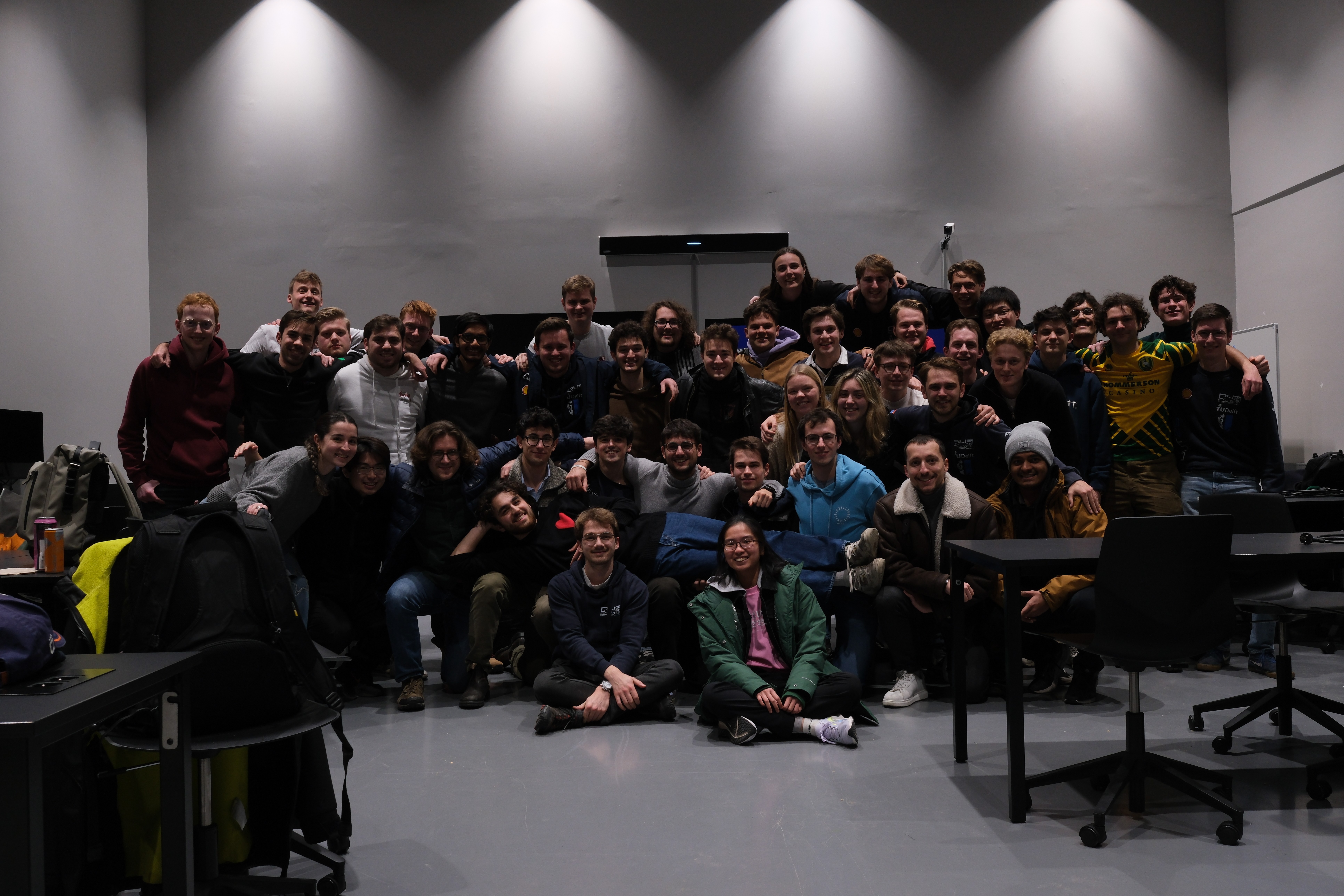
The members of the DUT26
Management team
The Management Team is responsible for the overall project. They ensure that the team has all of the resources they need. Next to that, they make inter-department decisions to make sure that we reach our team goal. They hold oversight over the resources, the time available, the technical quality and the people.
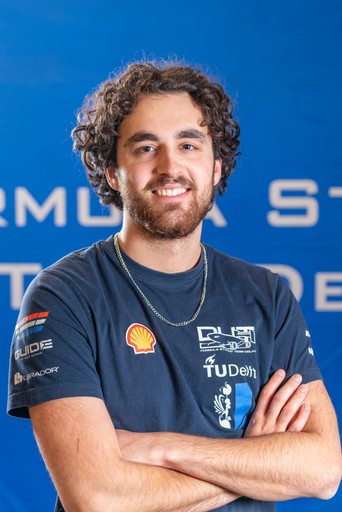
Semih Çetin
Team manager
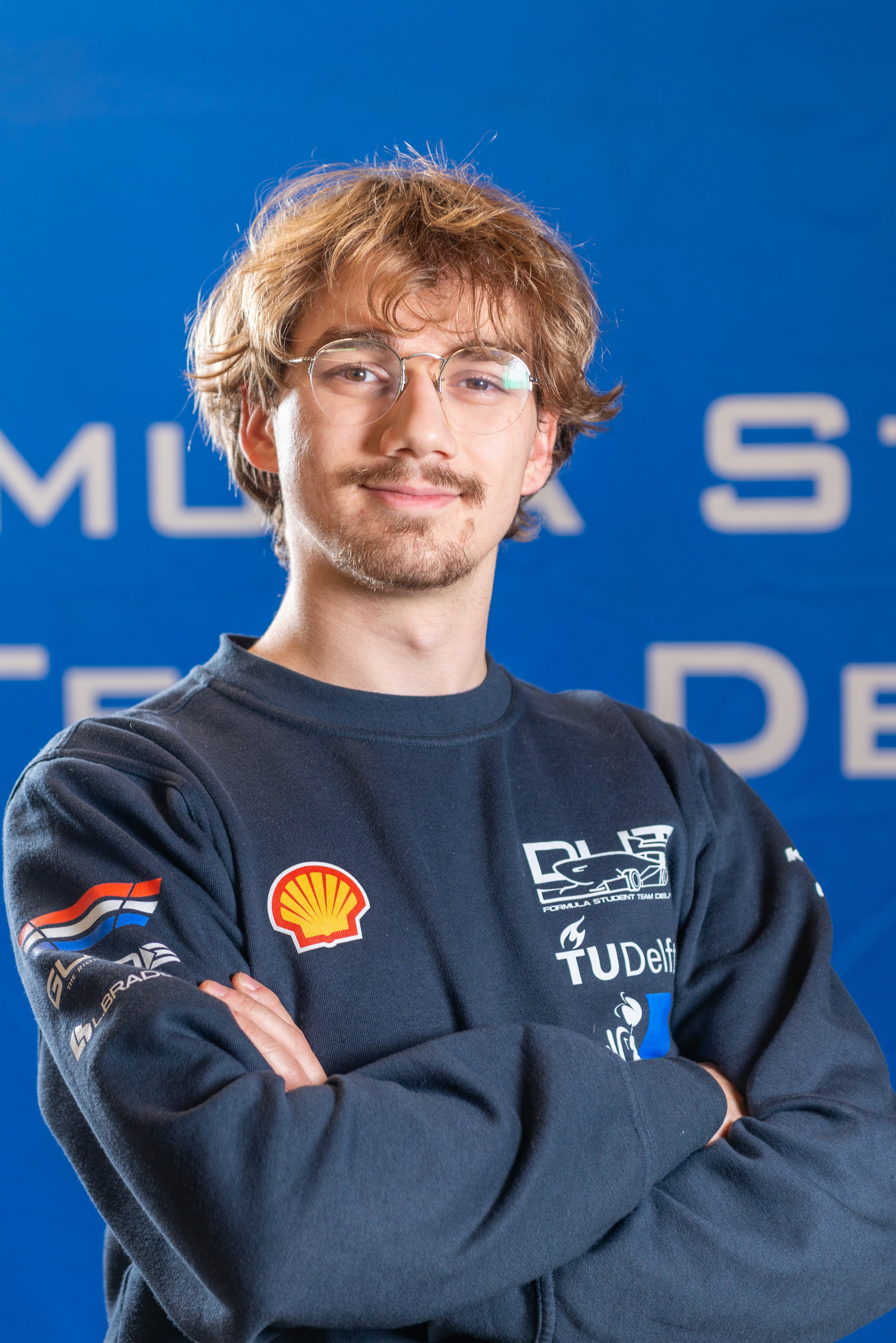
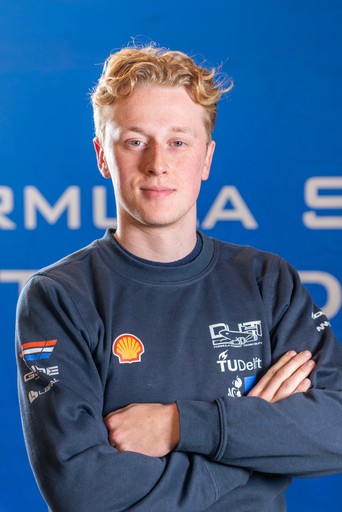
Ties Meijer
Project manager
Technical chiefs & departments
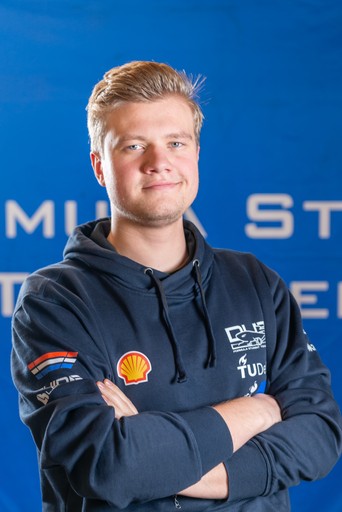
Aero dynamics
Chief:
Olivers Vasilevskis
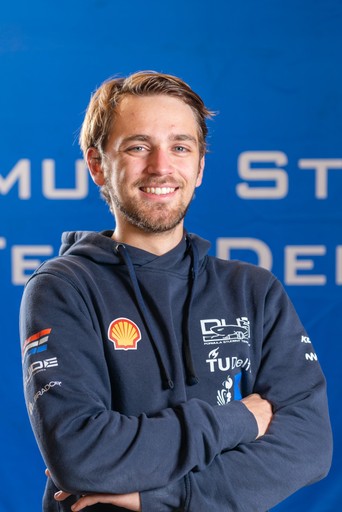
Chassis
Chief:
Stach van der Zeeuw
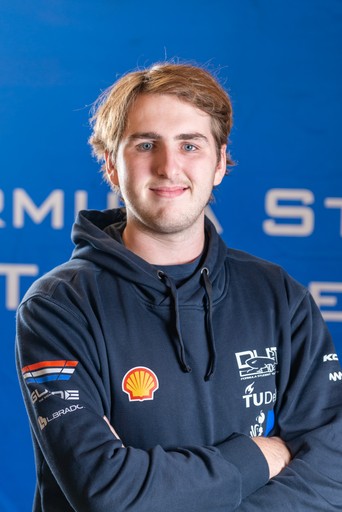
Drivetrain
Chief:
Bas van Zeijl
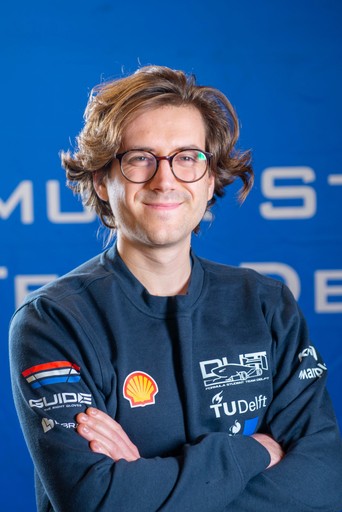
Suspension
Chief:
Gergely Hajós
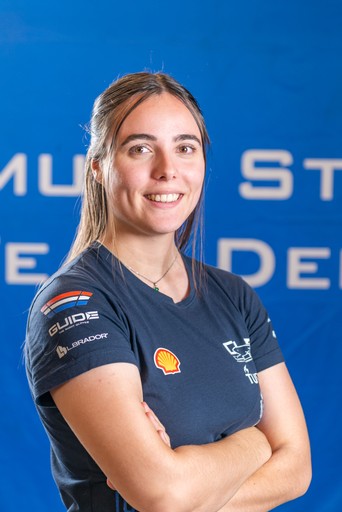
Electronics
Chief:
Anne Schönberger
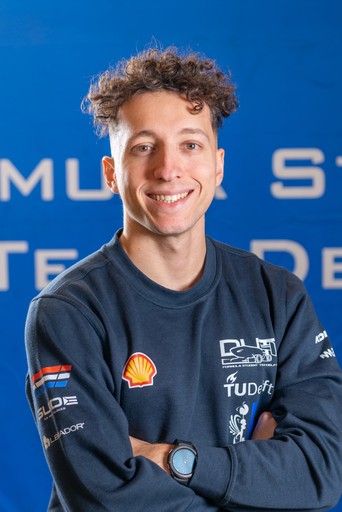
Vehicle dynamics/
controls
Chief:
Mehdi El Fathy
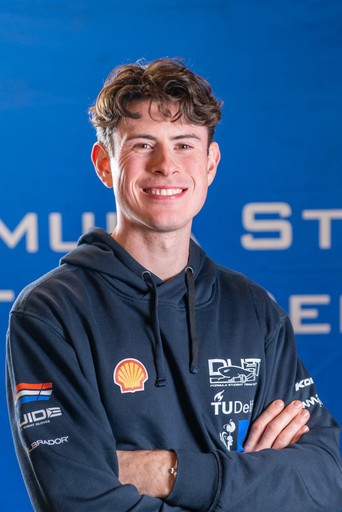
Powertrain
Chief:
Bèr Kaelen
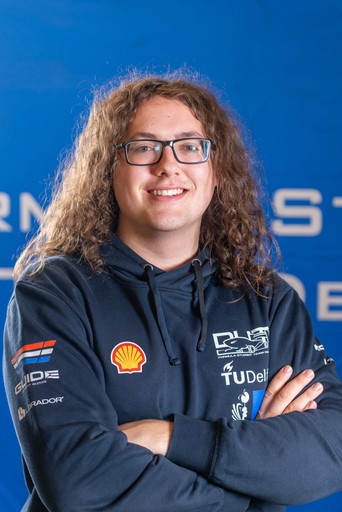
embedded/
autonomous
Chief:
Ziggy Beijer
To overview
AERODYNAMICS
The aerodynamics department is in charge of the airflow around the car. They use computational fluid dynamics and test data to optimize the shape of the chassis and design wings and diffusers which maximize downforce and funnel air for cooling. Due to the strict regulations the formula student competition places on aerodynamics, our aero engineers have to be exceptionally creative.
Olivers Vasilevskis
Chief
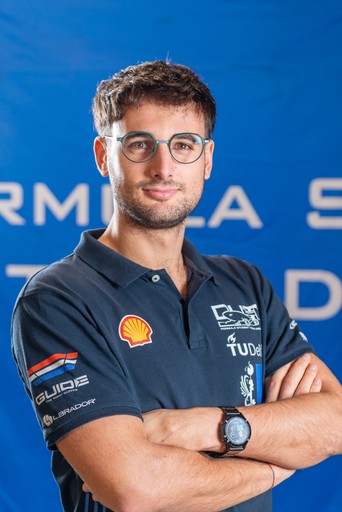
alessandro sion
Front Shapes
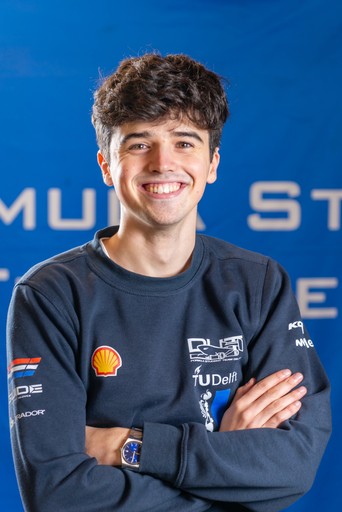
Biel Ruscalleda
Middle Shapes
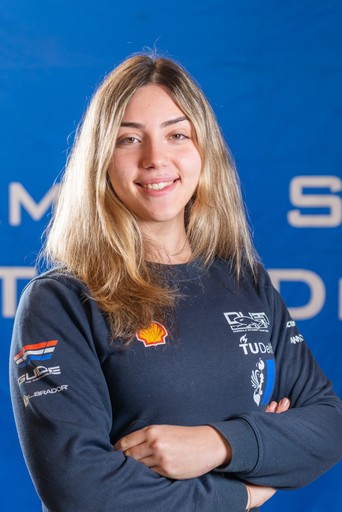
Carmen veses canto
CFD
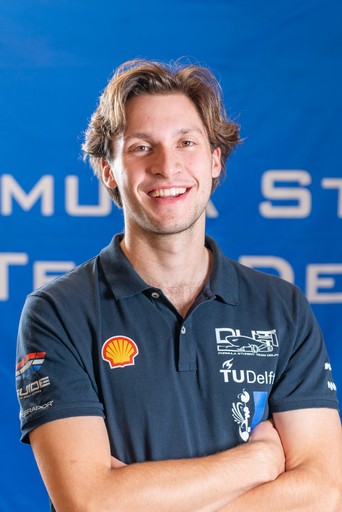
Florian tjepkema
Production
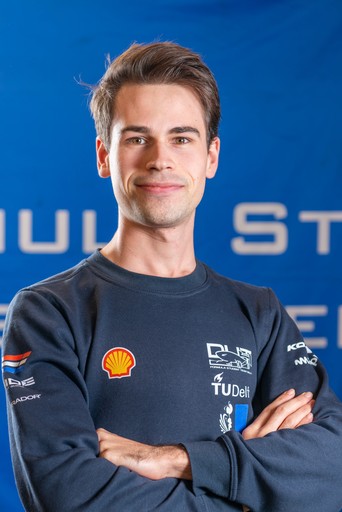
Jesse fleur
Validation
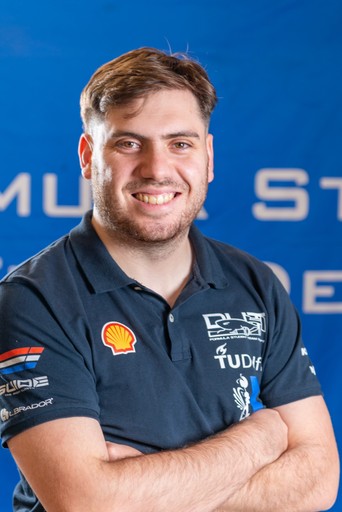
Jordi Gallart Martinez
Front and Rear Structures
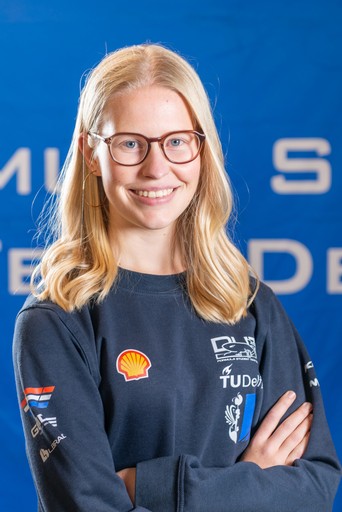
Julia svahn
Middle Structures
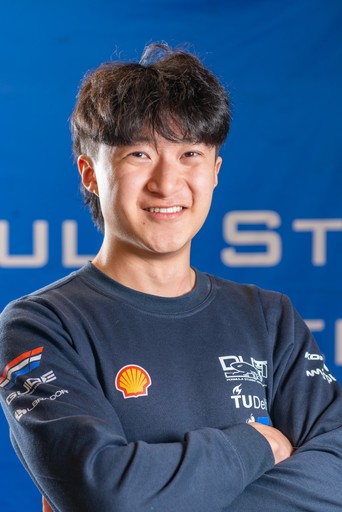
Lance Du
Stability
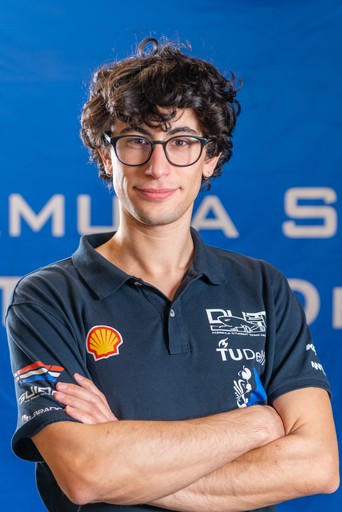
Nicolo Mondelli
Validation
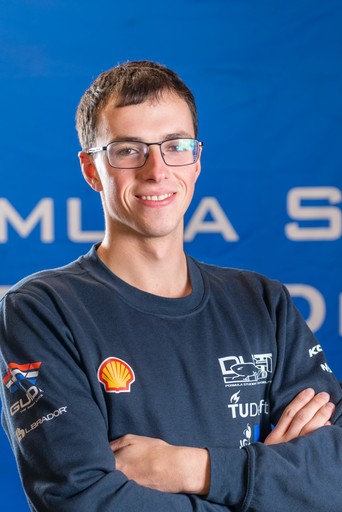
Yannick van den akker
Rear Shapes
business and Finance
Welcome to the Business and Finance department of our Formula Student team! At the heart of our team's success, our finance experts specialize in forging and nurturing vital partnerships. We are dedicated to acquiring supportive partners who share our passion for innovation and excellence in the world of Formula Student racing.
The Business department is the hidden motor behind the team. It consists of a variety of students and their main goal is to get the team through the year as smoothly as possible. From arranging team weekends and setting up the driver selection to giving business presentations, planning the race events, and contacting partners, the tasks of the operations crew are essential for a well-functioning team. You get to meet lots of people and gather broad knowledge of the car and its engineers as you fill in a communicative and managerial role within the team.
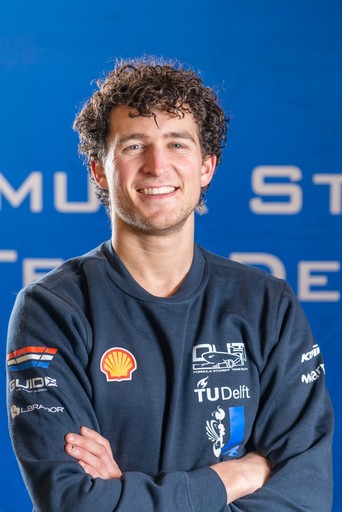
derrick quak
Business manager
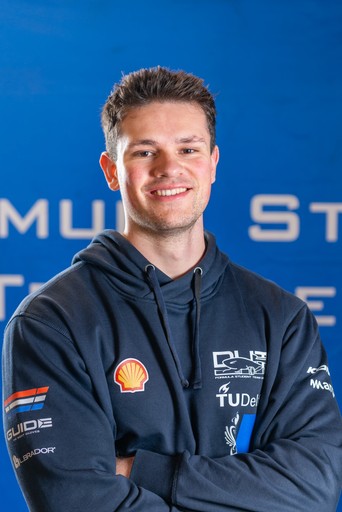
Thomas van asperen
PR/Marketing
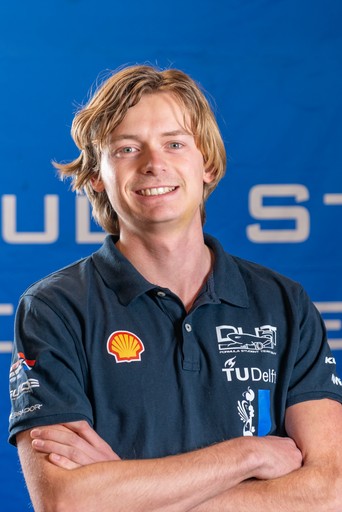
DAan Neijzen
Finance
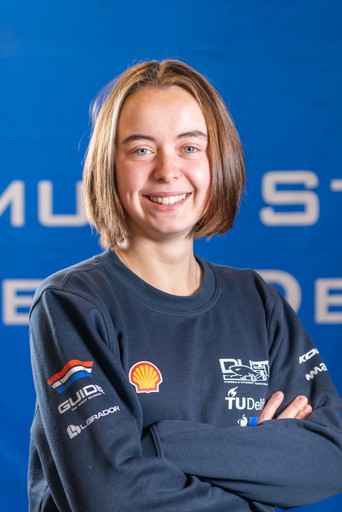
Adrianna serkies
Marketing & Social media
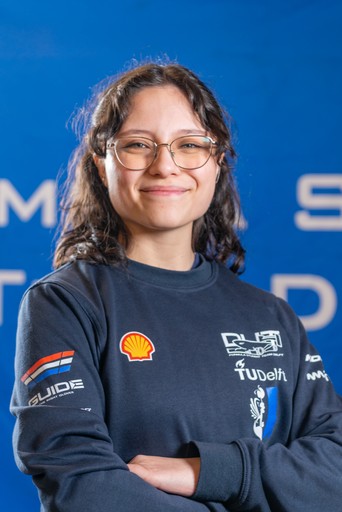
Mafe reyes
Internal organisation
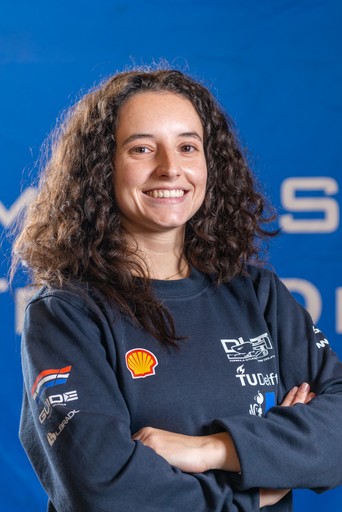
Cornelie Vergouwen
Marketing & Social Media
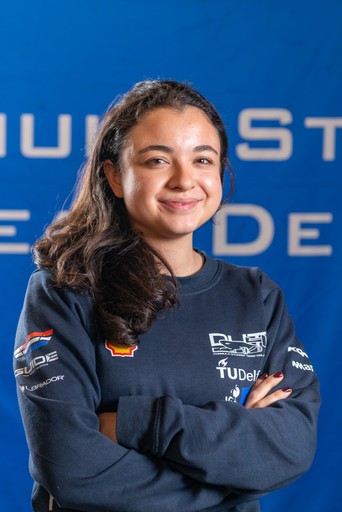
Defne Tilkici
PR/Marketing
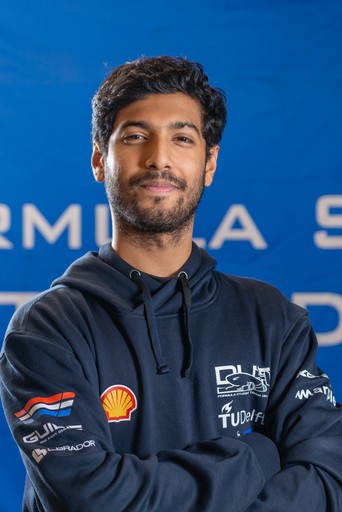
DeV Raj
PR/Marketing
Chassis
The chassis department is one of the most versatile in all of Formula Student team Delft, using the expertise of many studies, from mechanical engineering to industrial design. The chassis is designed in detail, incorporating factors such as weight, stiffness and ergonomics. In this process making trade offs is key, for example you can make the car as stiff as you want, but by doing so you're adding weight, so finding the perfect balance between advantages from stiffness and disadvantages from weight is essential to the performance of the car.
Stach van der Zeeuw
Chief chassis
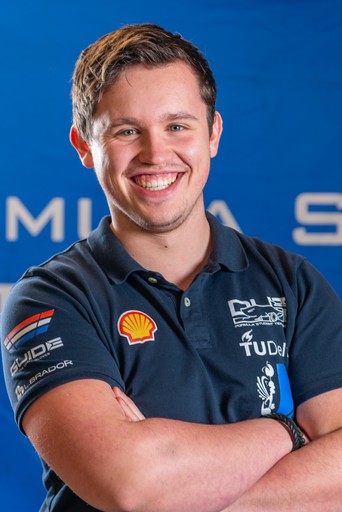
Dean van Zelst
Shapes
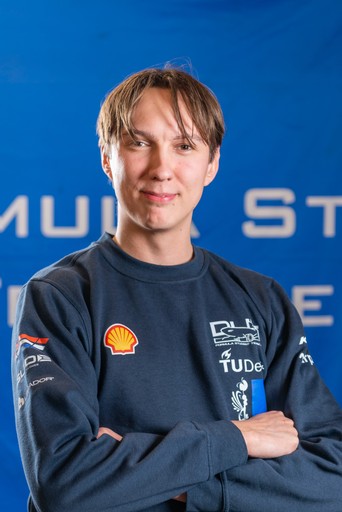
Kasper wiegersma
Production
Fabian Alkema
Integration and Inserts
Lucia Montesinos
Structures
Ankith Suresh
Packaging
Isaac otchere
Rims
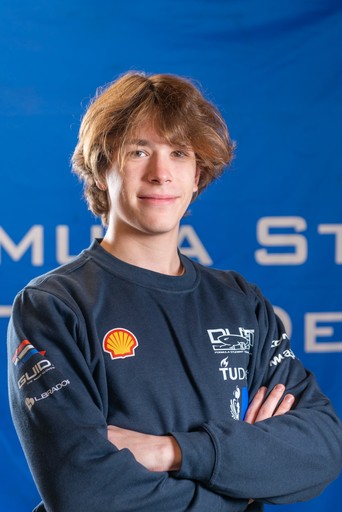
Jan Horawa
Production
Youngjun Chi
Ergonomics
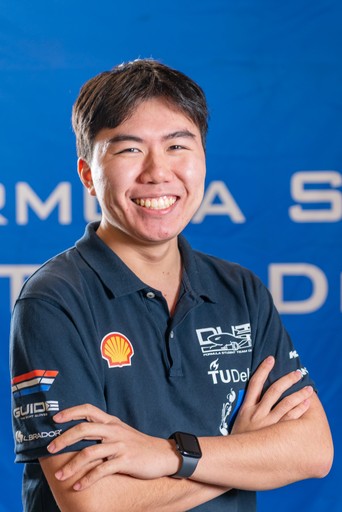
Marc dingcong
Ergonomics
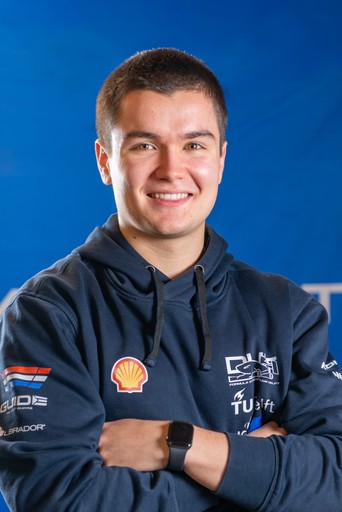
Sebastian shiels-cobar
Rims
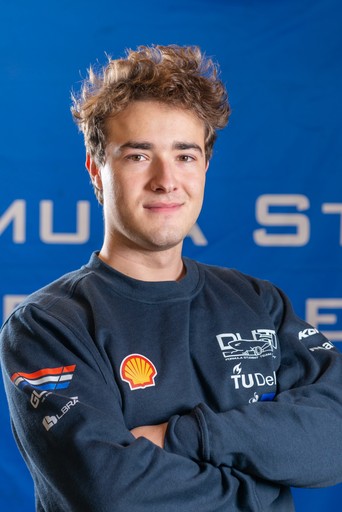
teodor savov
Structures
Drivetrain
Unlike conventional cars with engines, gearboxes, and driveshafts, our racers use a unique electric drivetrain architecture. The Drivetrain department continuously innovates to deliver power more efficiently, now using a custom in-wheel planetary gear system. This unconventional approach reflects the team’s drive to push engineering boundaries - constantly reducing weight, improving efficiency, and refining power delivery to maximize on-track performance.
Bas van Zeijl
Chief
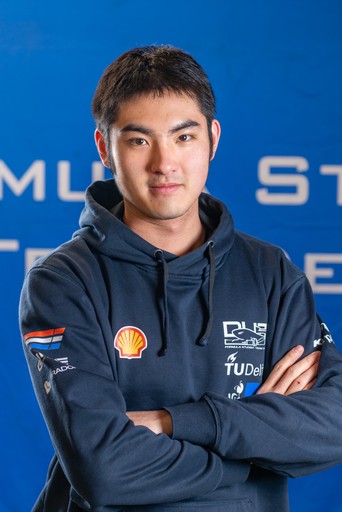
Jinbo song
Transmission and Motor
Integration
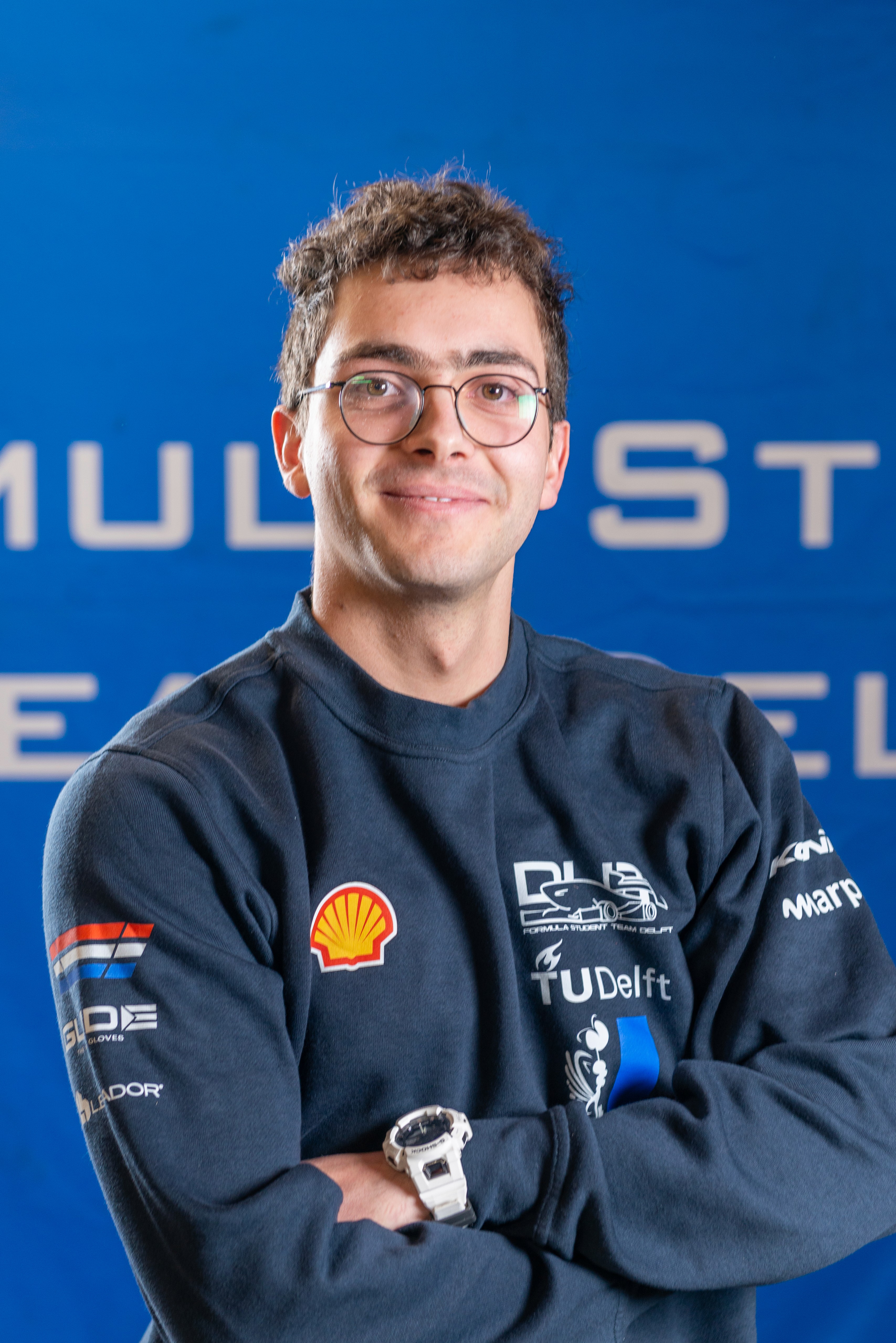
renzo lo cascio
Brakes
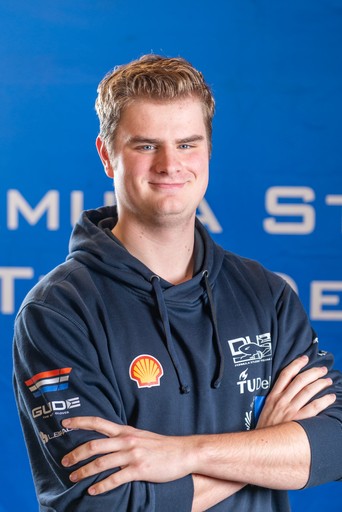
Olivier postma
Uprights
Konstantinos papavradimis
Pedalbox
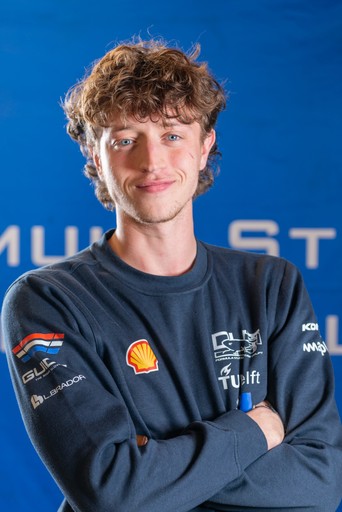
Sem neu
Wheelhub
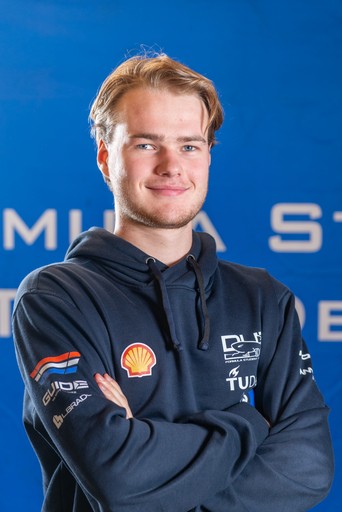
Jesse
Schakenraad
Autonomous Brakes
suspension
The Suspension department ensures the car’s chassis connects to the road with maximum efficiency and control. Far from a simple linkage, the suspension defines how the car handles, responds, and performs on track. Its design balances strength, stiffness, and compliance through FEM simulations, materials testing, and system optimization. By tuning parameters such as spring, camber, toe, and damper characteristics, the engineers ensure optimal tire contact and aerodynamic load transfer. The result is a stable, responsive car that gives our drivers the confidence to push the limits every lap.
Gergely Hajos
Chief
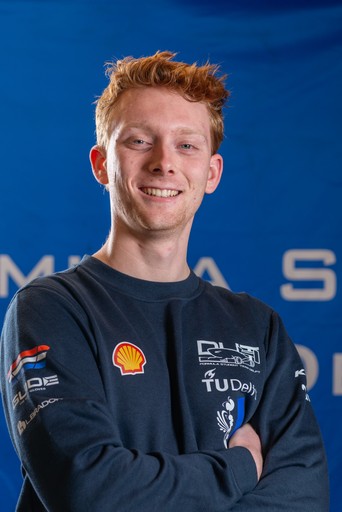
Luc Bos
Geometry
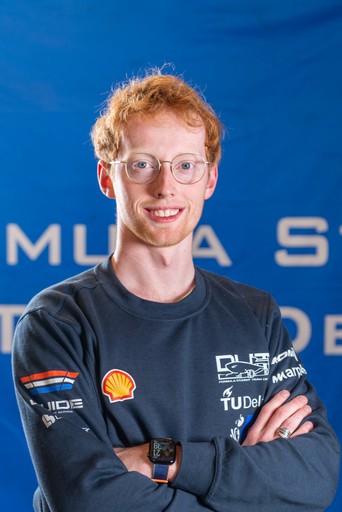
Job Achterberg
Geometry
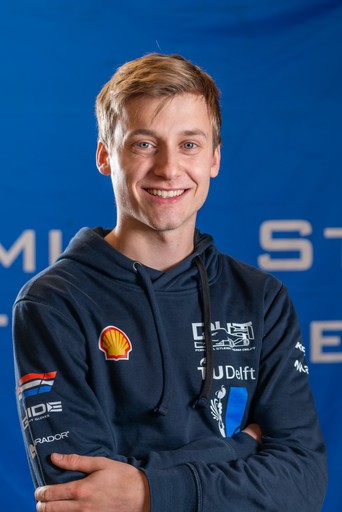
Luuk Scholtes
Spring Damper System
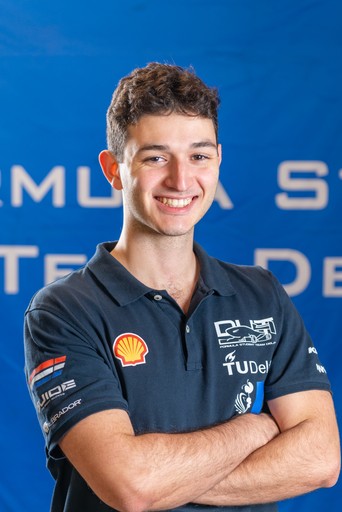
Alex Maouche
Spring Damper System
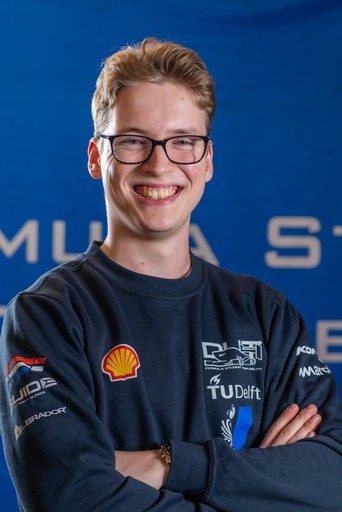
Bartosz Regulski
Manual Steering
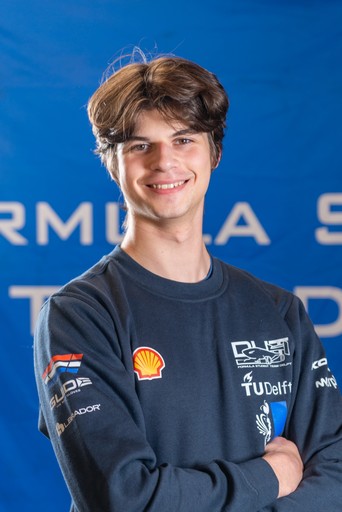
Nicklaus Bonesho
Autonomous Steering Actuator
Electronics
The Electronics department forms the nervous system of our race car, enabling seamless communication between every subsystem. Working primarily with both high- and low-voltage systems, the team designs and integrates the hardware responsible for power distribution, sensor networks, data acquisition, and safety-critical electronics. Reliability and safety are top priorities — every component must be robustly sealed, compliant with strict Formula Student regulations, and easily serviceable under race conditions. Achieving this balance between protection, accessibility, and performance requires meticulous design and testing. Collaborating closely with the Embedded Software team, the Electronics department ensures that the car’s digital infrastructure operates flawlessly, allowing us to extract every bit of performance on track.
Anne Schonberger
Chief
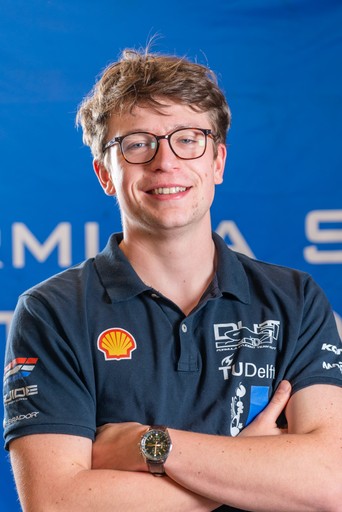
Rein van der velden
Power Distribution
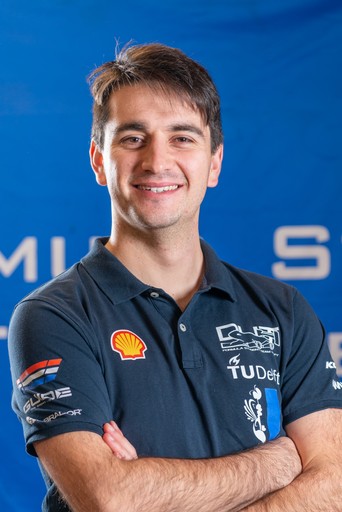
Pablo Marques Carrasco
VCU & Driver comms
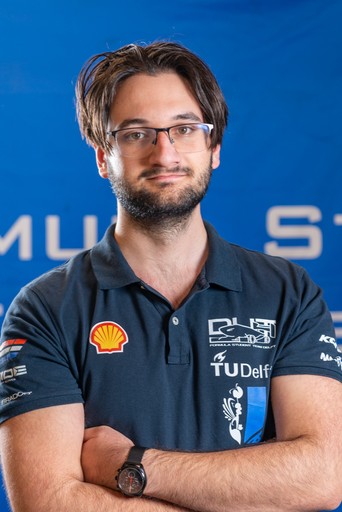
Victor Nicola
Dashboard
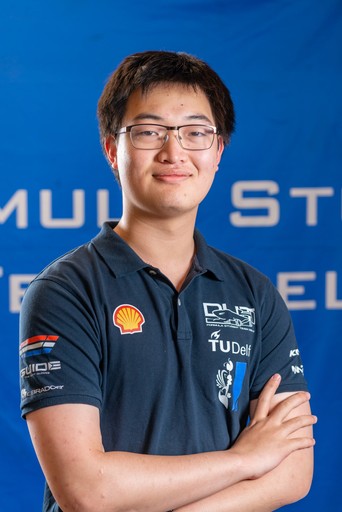
Tiger XU
Motor Controllers
Daan lucieer
Wiring
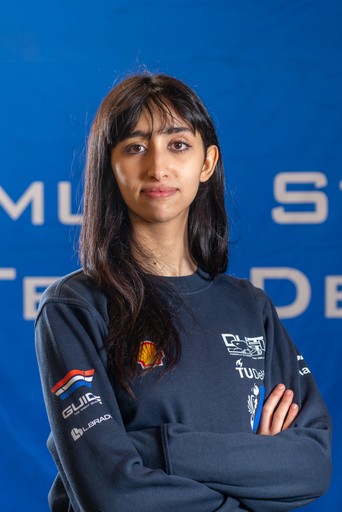
Aya Bennis
AMS
vehicle dynamics and controls
The Vehicle Dynamics department defines how the car behaves on track by balancing performance, control, and efficiency. Their work begins long before the first part is manufactured, using simulations and models to determine key parameters such as aerodynamics balance, weight distribution, and overall handling characteristics. These insights form the foundation for every major setup decision across the team, ensuring that each subsystem contributes to optimal lap times and driver confidence. By validating their models through testing and data analysis, the Vehicle Dynamics team turns theory into performance, shaping the car from concept to competition.
Controls engineers simulate the car dynamics and provide the torque demands for the motors. Through complex controls systems, the optimisation of car performance is the ultimate goal.
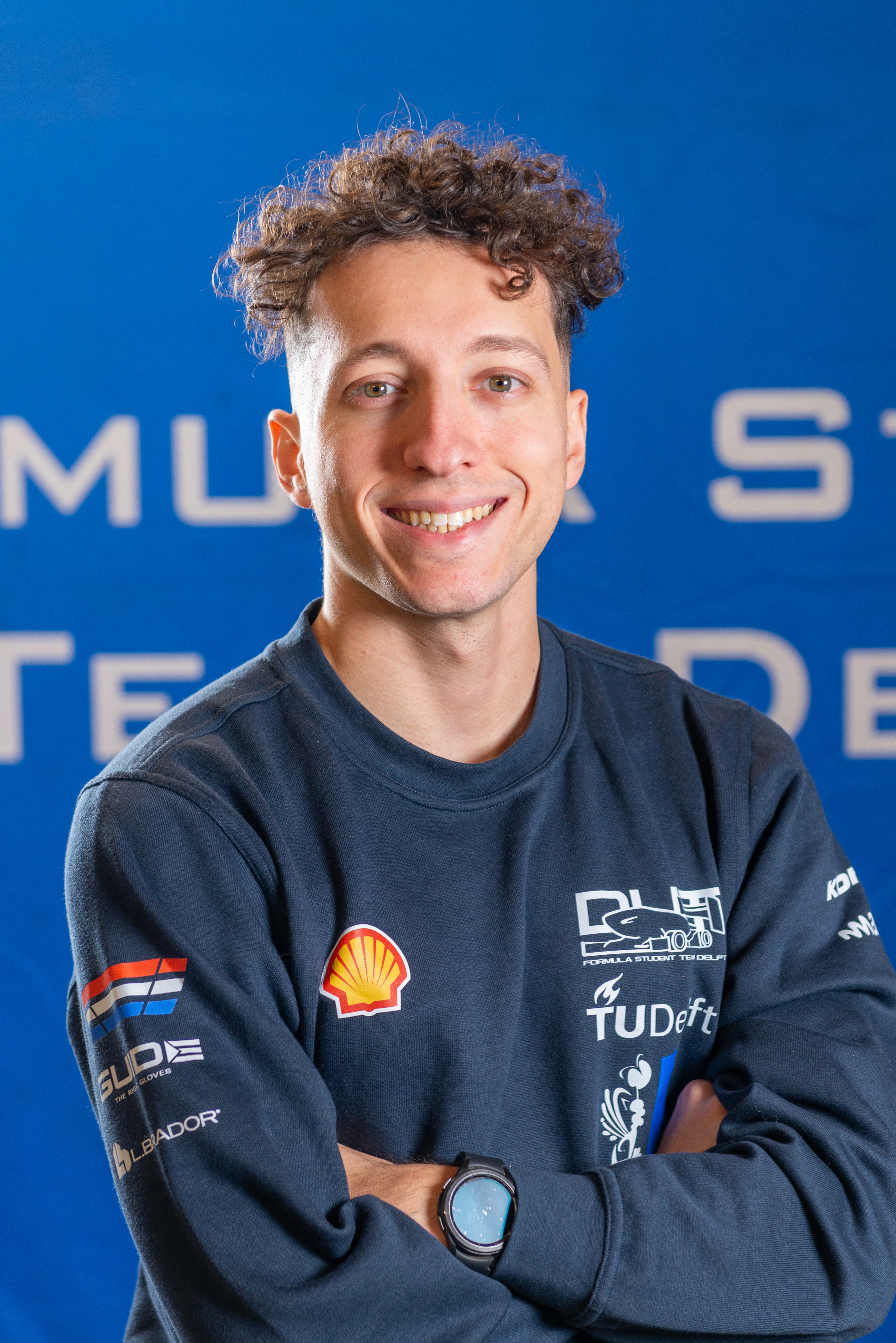
Mehdi el fathy
Chief
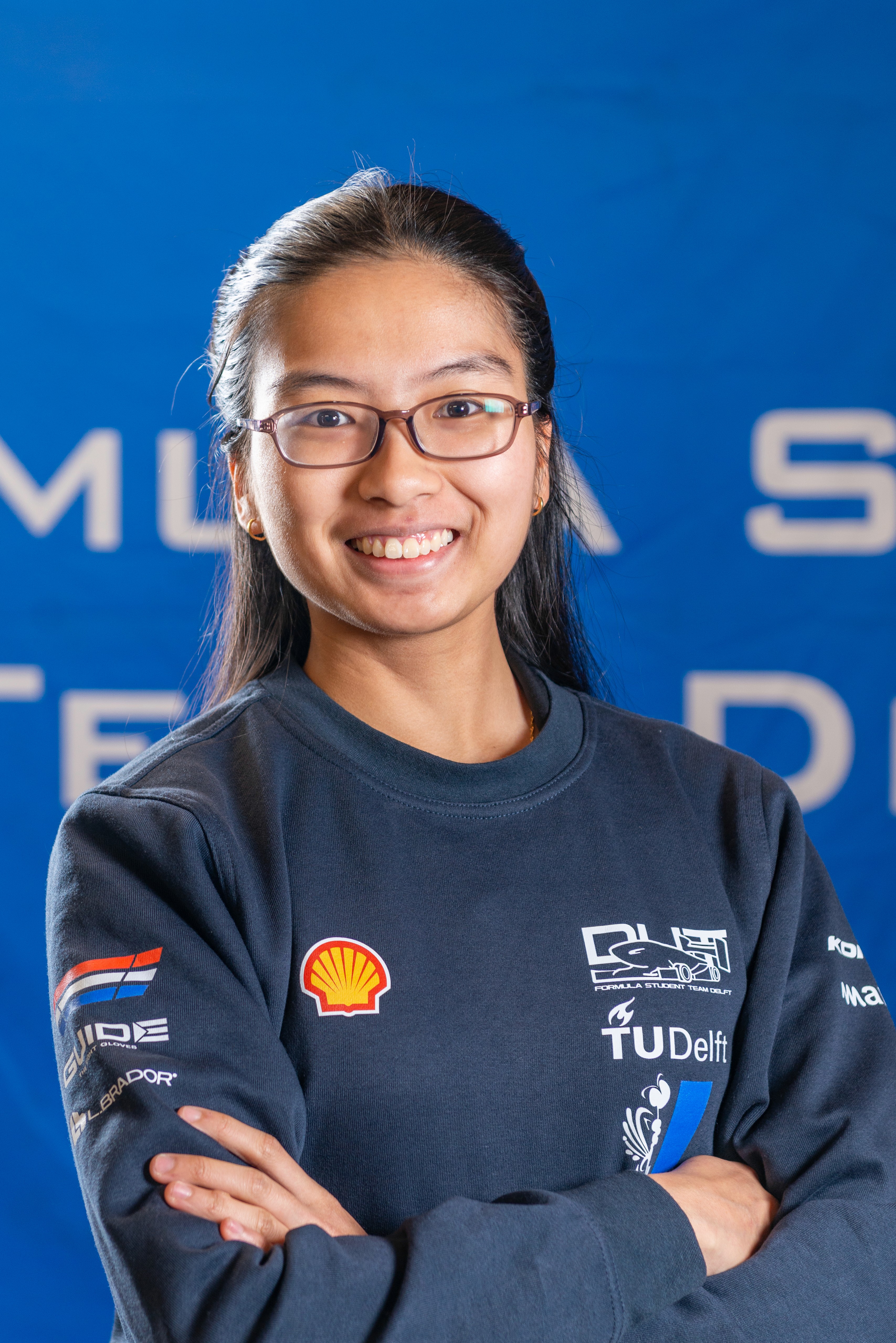
Mariane Avendano
Balance
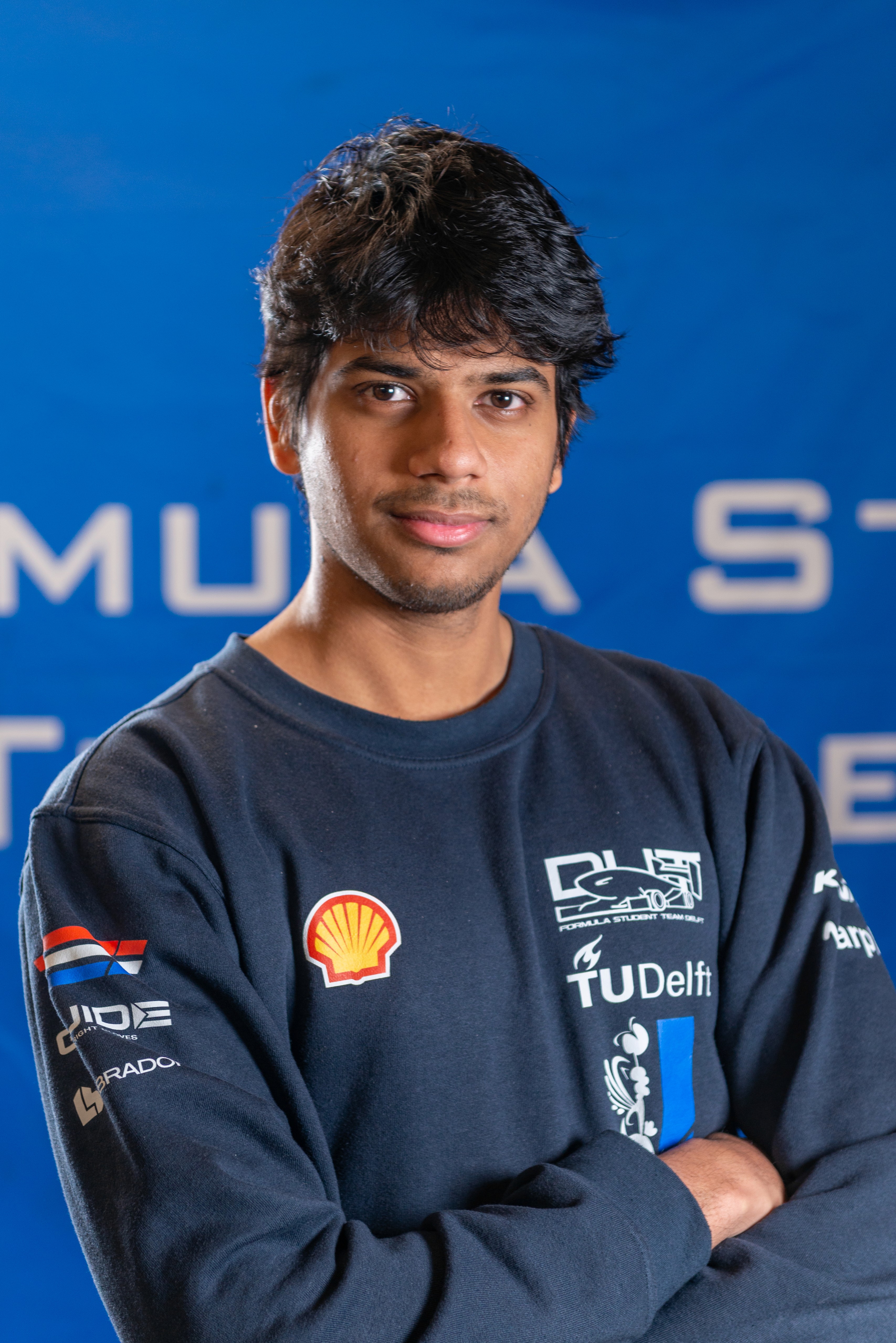
Tanush Gupta
Frequencies
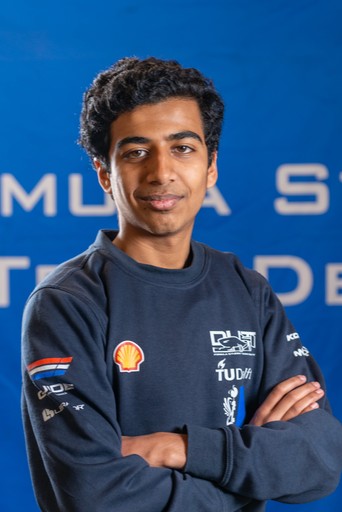
Jishnu Mehra
Frequencies
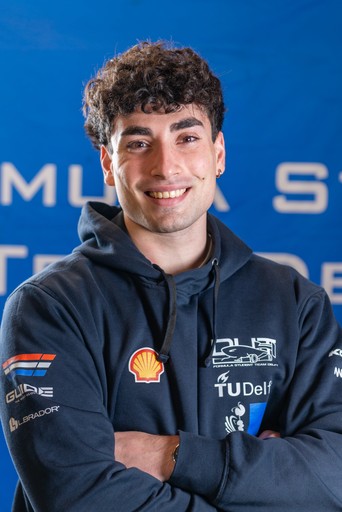
Carlo Tundo
Tyres
Jodok Dittmann
Controls
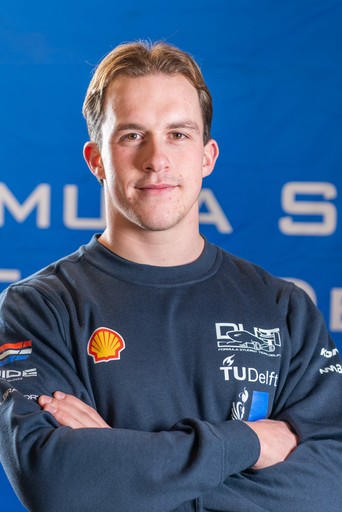
Julian
Mol
Balance
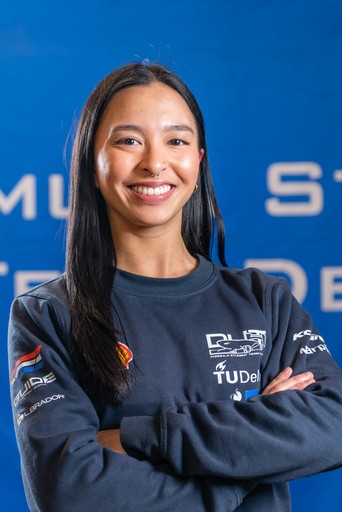
Kaylee directo
Controls
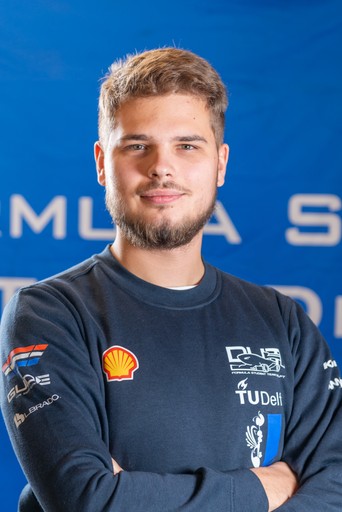
Dominik Bris
Controls
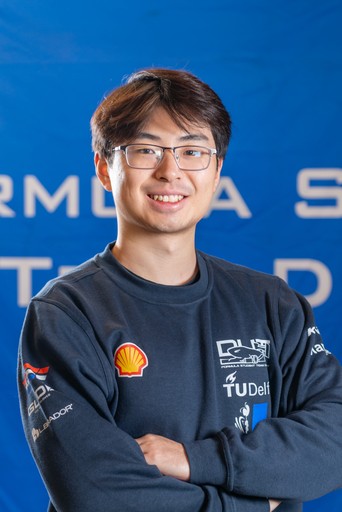
yichao zhu
Controls
Isaac Gillissen
Testing
Kevin phillips
Testing
Powertrain
The Powertrain department forms the link between the car’s energy source and its drivetrain, transforming a simple rolling chassis into a fully capable Formula Student race car. The department is responsible for two of the car’s most critical systems: the accumulator and the motor controllers. The accumulator stores the electrical energy required to complete the 22 km endurance event and is one of the most complex and tightly regulated assemblies on the vehicle. The motor controllers convert the DC power from the accumulator into the AC current needed by the motors, while implementing a large variety of control systems to optimize efficiency, responsiveness, and overall performance. Both systems are designed, developed, and rigorously tested in-house by the powertrain team.
Ber kallen
Chief
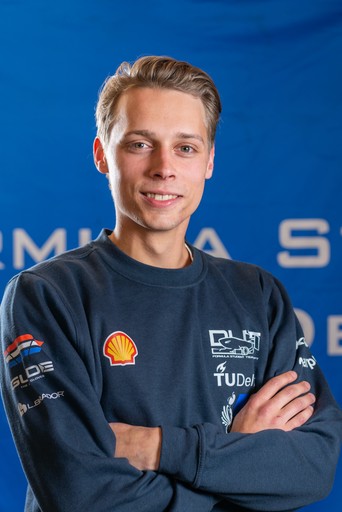
Tijn snijders
TSAC & Module design
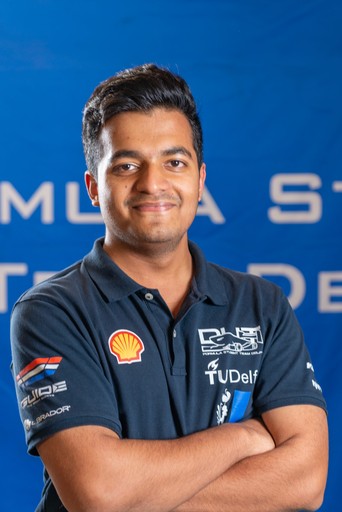
Shreyas Raskar
Accumulator components & Wiring
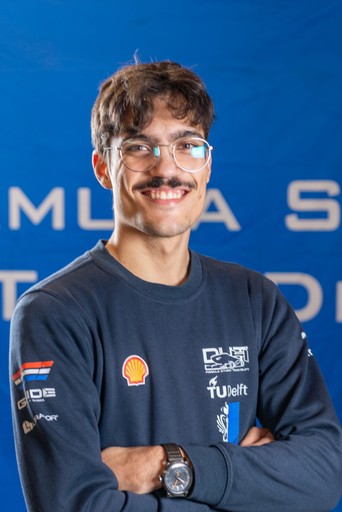
bruno pereira
Accumulator cooling
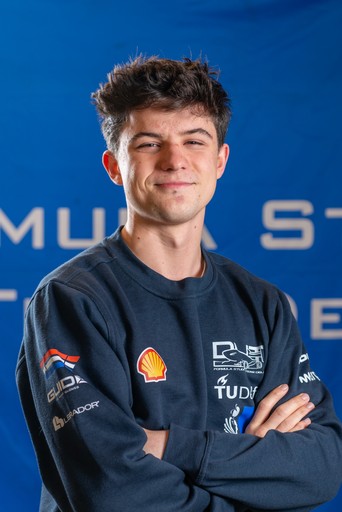
tristan lammens
Motor & MC Cooling
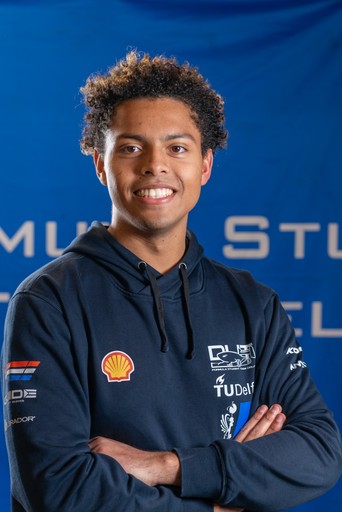
Toby van bergen
MC Packaging
Embedded and autonomous
The embedded software team develops and maintains the code that executes on the car’s numerous electronic control units (ECUs) and circuit boards. Unlike mechanical failures, which are often immediately visible, software faults can be subtle, harder to diagnose, and potentially more catastrophic to system performance. Fortunately, our software team consists of exceptionally diligent engineers who ensure the car runs reliably when race day arrives.
Autonomous technology represents the leading edge of today’s automotive innovation. In 2019, we partnered with MIT to develop our first driverless race car, marking a major milestone for the team. Our engineers keep pushing to further refine a car capable of operating both autonomously and with a driver. Our autonomous department is at the forefront of this effort.
Ziggy Beijer
Chief
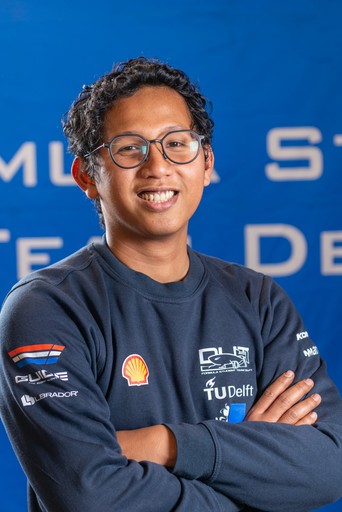
Dewa Mahardika
Telemetry
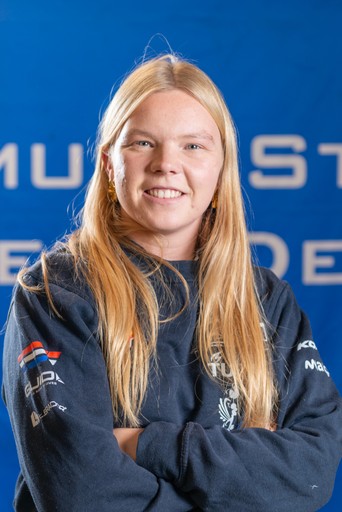
Benthe Raad-schelders
Dashboard
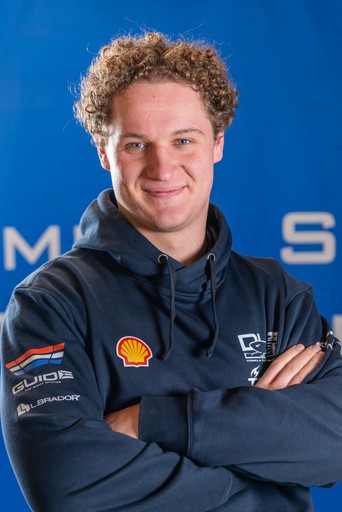
Jasper Stuut
Motorcontroller
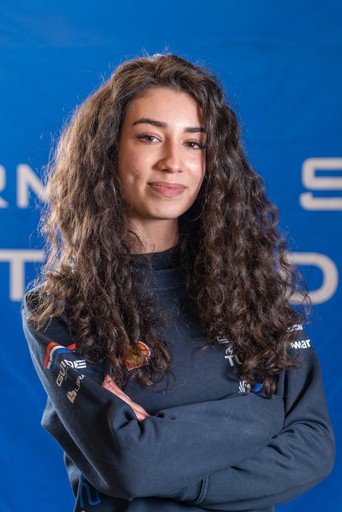
Alexia Toba
Perception
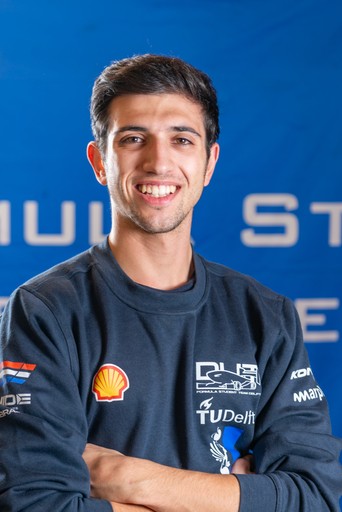
Kostas Koukakis
State Estimation
Cezar Titianu
State Estimation
Arnas Misevicius
Path Planning
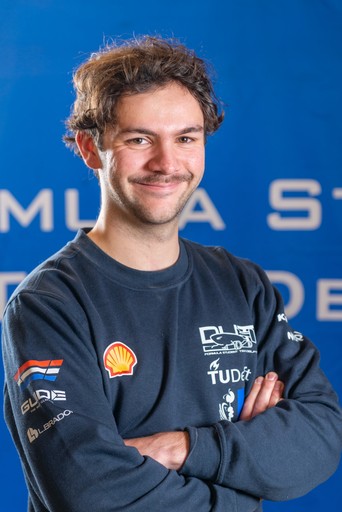
Benjamin
Verdonkschot
Simulations and Hardware
Production
The production hires are the helping hands of the team. They wanted to learn more
Team manager
Cornelie Vergouwen
teammanager@fsteamdelft.nl
+31 6 818 275 24
